Maximizing Efficiency and Sustainability with Garbage Compactor Trucks for Construction Debris Management
Introduction: Construction projects generate a significant amount of debris and waste materials that need to be efficiently managed to ensure a clean and safe environment. Garbage compactor trucks play a crucial role in handling construction debris by compacting and transporting it to disposal sites. These specialized vehicles are designed to optimize waste collection processes, minimize environmental impact, and enhance operational efficiency on construction sites. In this article, we will explore the features, benefits, and usage of garbage compactor trucks for construction debris management. 1. Understanding Construction Debris: Construction debris refers to the waste materials generated during various stages of construction, renovation, or demolition projects. This includes materials such as concrete, wood, metal, drywall, insulation, roofing materials, and packaging materials. Managing construction debris is essential for maintaining a clean and organized worksite, ensuring worker safety, and complying with environmental regulations. 2. Role of Garbage Compactor Trucks: Garbage compactor trucks are specialized vehicles equipped with a hydraulic compactor mechanism that compresses waste materials to maximize the truck's capacity. These trucks are commonly used in urban areas, construction sites, and industrial facilities to collect, transport, and dispose of solid waste efficiently. Garbage compactor trucks come in various sizes and configurations to cater to different waste management needs, including construction debris. 3. Types of Garbage Compactor Trucks: a. Rear Loader Compactor Trucks: Rear loader compactor trucks are equipped with a hydraulic compactor at the rear of the vehicle. Workers load waste materials into the truck through a rear opening, and the compactor compresses the waste to create more space for additional materials. Rear loader compactor trucks are commonly used for collecting household waste, commercial waste, and construction debris. b. Front Loader Compactor Trucks: Front loader compactor trucks feature a hydraulic compactor mechanism at the front of the vehicle. These trucks are designed for collecting large volumes of waste in commercial and industrial settings. Front loader compactor trucks are ideal for handling bulkier waste materials from construction sites, manufacturing facilities, and commercial buildings. c. Side Loader Compactor Trucks: Side loader compactor trucks have a hydraulic compactor on one side of the vehicle, allowing workers to load waste materials from the curbside. These trucks are commonly used for residential waste collection, but they can also be utilized for managing construction debris in urban areas with limited access to worksites. 4. Features of Garbage Compactor Trucks for Construction Debris: a. Hydraulic Compactor Mechanism: The hydraulic compactor mechanism is the core feature of garbage compactor trucks, enabling efficient compression of construction debris to maximize payload capacity and reduce the number of trips to disposal sites. 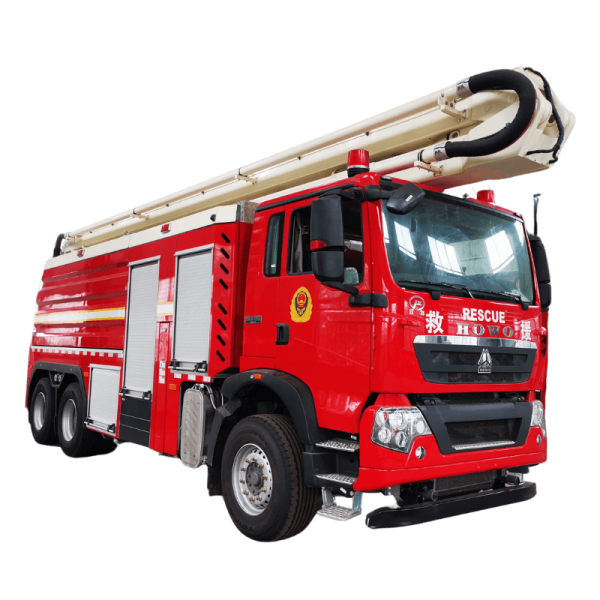 b. High Payload Capacity: Garbage compactor trucks are designed to accommodate large volumes of waste materials, allowing construction crews to collect and transport debris in a single trip, saving time and fuel costs. c. Leak-Proof Design: Garbage compactor trucks are equipped with leak-proof containers to prevent spillage and leakage of construction debris during transportation, ensuring environmental compliance and safety. d. Automated Loading Systems: Some garbage compactor trucks are equipped with automated loading systems, such as hydraulic arms or lifters, to assist workers in loading heavy or bulky construction debris into the truck, reducing manual labor and preventing injuries. e. Odor Control Systems: To mitigate unpleasant odors emanating from decomposing construction debris, some garbage compactor trucks are equipped with odor control systems, such as sprayers or deodorizers, to maintain a hygienic working environment. f. Safety Features: Garbage compactor trucks are equipped with safety features, including backup cameras, warning alarms, and emergency stop buttons, to ensure the safety of operators and workers during waste collection and transportation activities. 5. Benefits of Using Garbage Compactor Trucks for Construction Debris Management: a. Improved Operational Efficiency: Garbage compactor trucks streamline waste collection and transportation processes on construction sites, reducing downtime and labor costs associated with traditional waste management methods. b. Cost Savings: By maximizing payload capacity and reducing the number of trips to disposal sites, garbage compactor trucks help construction companies save on fuel costs, vehicle maintenance, and labor expenses. c. Environmental Sustainability: Garbage compactor trucks contribute to environmental sustainability by minimizing landfill usage, reducing carbon emissions from transportation, and promoting efficient waste management practices in the construction industry. d. Regulatory Compliance: Using garbage compactor trucks for construction debris management helps construction companies comply with local regulations and environmental standards governing waste disposal and recycling practices. e. Enhanced Worker Safety: Garbage compactor trucks enhance worker safety by reducing manual handling of heavy debris, minimizing the risk of injuries, and providing a clean and organized worksite environment. 6. Best Practices for Using Garbage Compactor Trucks for Construction Debris: a. Proper Segregation of Waste: Construction crews should segregate different types of waste materials, such as concrete, wood, metal, and hazardous materials, to facilitate efficient loading and disposal using garbage compactor trucks. b. Regular Maintenance: Garbage compactor trucks require regular maintenance, including inspections, lubrication, and repairs, to ensure optimal performance and longevity of the vehicle components. c. Training and Certification: Operators and workers responsible for using garbage compactor trucks should undergo training and certification programs to operate the vehicles safely, handle waste materials correctly, and comply with industry regulations. d. Monitoring and Reporting: Construction companies should implement monitoring and reporting systems to track waste generation, collection frequencies, recycling rates, and disposal methods using garbage compactor trucks for data-driven decision-making and compliance reporting. e. Collaboration with Waste Management Providers: Construction companies can collaborate with waste management providers, recycling facilities, and disposal sites to optimize waste collection, recycling, and disposal processes using garbage compactor trucks for sustainable construction debris management. 7. Case Studies: Success Stories of Using Garbage Compactor Trucks for Construction Debris Management: a. XYZ Construction Company: XYZ Construction Company implemented a fleet of garbage compactor trucks to manage construction debris from multiple worksites efficiently. By reducing the number of trips to disposal sites and maximizing payload capacity, the company achieved significant cost savings and improved operational efficiency. b. Water tank truck maintenance : ABC Recycling Facility partnered with construction companies to collect and transport construction debris using garbage compactor trucks for recycling and repurposing. By diverting waste materials from landfills and promoting circular economy principles, the facility contributed to environmental sustainability and resource conservation. c. DEF Municipal Authority: DEF Municipal Authority introduced a waste management program using garbage compactor trucks to collect construction debris from residential and commercial properties. By educating residents, enforcing waste segregation guidelines, and investing in modern waste collection infrastructure, the authority improved waste diversion rates and community cleanliness. 8. Future Trends in Garbage Compactor Trucks for Construction Debris Management: a. Integration of IoT and Telematics: Garbage compactor trucks are expected to incorporate IoT (Internet of Things) sensors and telematics systems to track vehicle performance, optimize route planning, and monitor waste collection activities in real-time for enhanced operational efficiency. b. Adoption of Alternative Fuels: Garbage compactor trucks are likely to shift towards alternative fuels, such as electric, hybrid, or biofuels, to reduce carbon emissions, minimize fuel costs, and comply with environmental regulations governing vehicle emissions in the construction industry. c. Advanced Recycling Technologies: Garbage compactor trucks may integrate advanced recycling technologies, such as onboard sorting systems, compactors for specific waste materials, and mobile recycling units, to facilitate on-site recycling and repurposing of construction debris for sustainable waste management practices. Conclusion: Garbage compactor trucks play a vital role in efficiently managing construction debris by compacting and transporting waste materials to disposal sites. These specialized vehicles offer numerous benefits, including improved operational efficiency, cost savings, environmental sustainability, regulatory compliance, and enhanced worker safety. By adopting best practices, collaborating with waste management providers, and leveraging advanced technologies, construction companies can optimize construction debris management using garbage compactor trucks for a cleaner, greener, and more sustainable future in the construction industry.